





Strut

|
Contents |
[edit] Introduction
A strut is a structural component that has compression acting upon it - pushing it together. Struts are most frequently made from timber or metal.
[edit] Struts and ties
The counterpart of a strut is a tie, which is a structural element that has tension acting upon it - stretching it apart. For more information, see Ties.
Struts and ties are common components of structural elements such as trusses. The two components work together to support the weight of other parts of the structure and any imposed load. The struts provide resistance to compression and sometimes contribute to tension resistance. Ties perform the opposite function.
As a component of a moveable bridge, the strut can work in conjunction with other mechanisms to open and close the bridge.
|
This animated GIF depicts the opening and closing of the Henry Ford bridge - a double-leaf bascule bridge built in 1924. For each leaf, the operating strut (in purple) is drawn back using a pinion gear on the fixed structure. This brings the counterweight structure (in blue) down while raising the bridge truss (in red). A parallelogram link (green) means the rotation of the counterweight is synchronised with the rotation of the truss structure. |

[edit] Strutting and strut channels
Strutting is a method of providing temporary support to the side of a trench. It is sometimes called timbering and planking. Strutting can also be used between floor joists to increase the strength of flooring systems. In this instance, it may also be referred to as blocking.
Strut channels (also referred to as channel struts) are components that support cable management and plumbing systems. They are made from steel, aluminium or plastic and can be used to connect pipes, wire, threaded rods or bolts to walls.
[edit] Related articles on Designing Buildings
Featured articles
Check out some of the best features and news from Designing Buildings as well as key stories from around the web.
Mayors are to be given planning call in powers
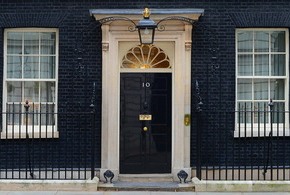
Mayors across England will be able to make the most important planning decisions.
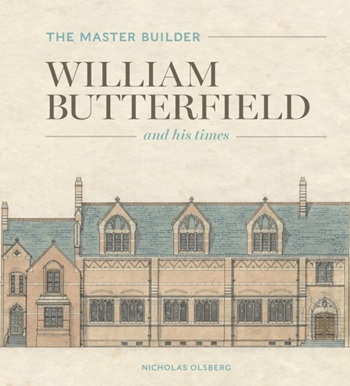
The Master Builder: William Butterfield and his times. Book review.
Why construction can't afford to ignore the skills gap.
Building Safety Regulator, 19 August

Gill Kernick appointed Independent Chair of Residents’ Panel.
Connecting knowledge, technology and conservation
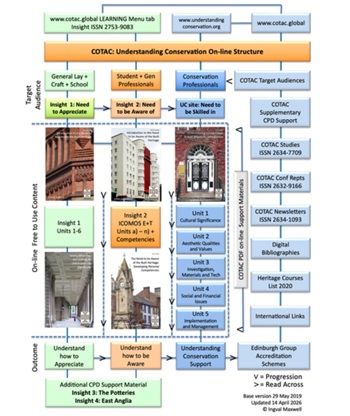
Building competence for the future of built heritage.
Building Regulations and Building Safety Act
CIOB publishes free advice for non-domestic clients.
Building Safety Newsletter from MHCLG.
An extraordinary record of steel engineering worldwide.

Households living near new pylons to save on bills.

ECA warns growth must not outpace grid capacity or skills.
The role of the client and decision making

CIOB response to built environment professions call for evidence.
Construction's sustainability reporting revolution
Tracking upfront embodied carbon with digital tools.